Sareng, known to the world as Helicopter Catfish or Wallago Catfish, carries a story that is far more than culinary—it is a tale of civilization, spirituality, and cultural continuity in Manipur. For centuries, this majestic fish has been more than food; it has been a symbol of tradition, worship, and communal identity. Even today, Sareng remains deeply tied to rituals, festivals, and everyday meals, making it one of the most cherished elements of Manipuri cuisine.
The people of Manipur hold a fascinating belief about the origin of Sareng. According to local tradition, the life form of Sareng emerged from 100 water life forms and 100 land life forms, making it a creature of balance—bridging the aquatic and terrestrial worlds. This mythical origin elevates Sareng beyond ordinary fish, granting it a sacred aura that explains why it continues to be used in rituals and offerings to deities.
One of the most distinctive cultural practices involving Sareng is Sairen Chanba, a ritual cooking method where Sareng is prepared with unique ingredients and techniques before being offered to the gods. This tradition has been practiced for thousands of years, symbolizing prayers for a happy, peaceful, and prosperous land. The preparation is not merely about taste—it is about devotion, purity, and the belief that food connects humans with divine blessings.
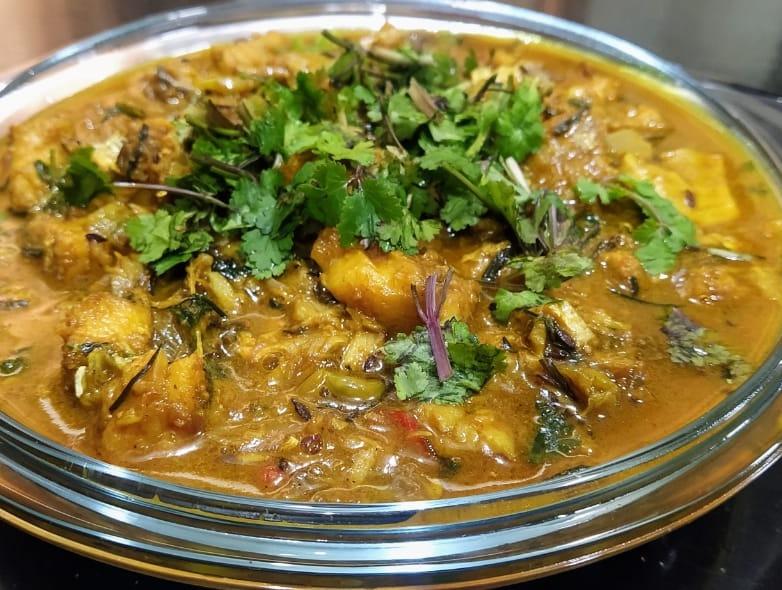
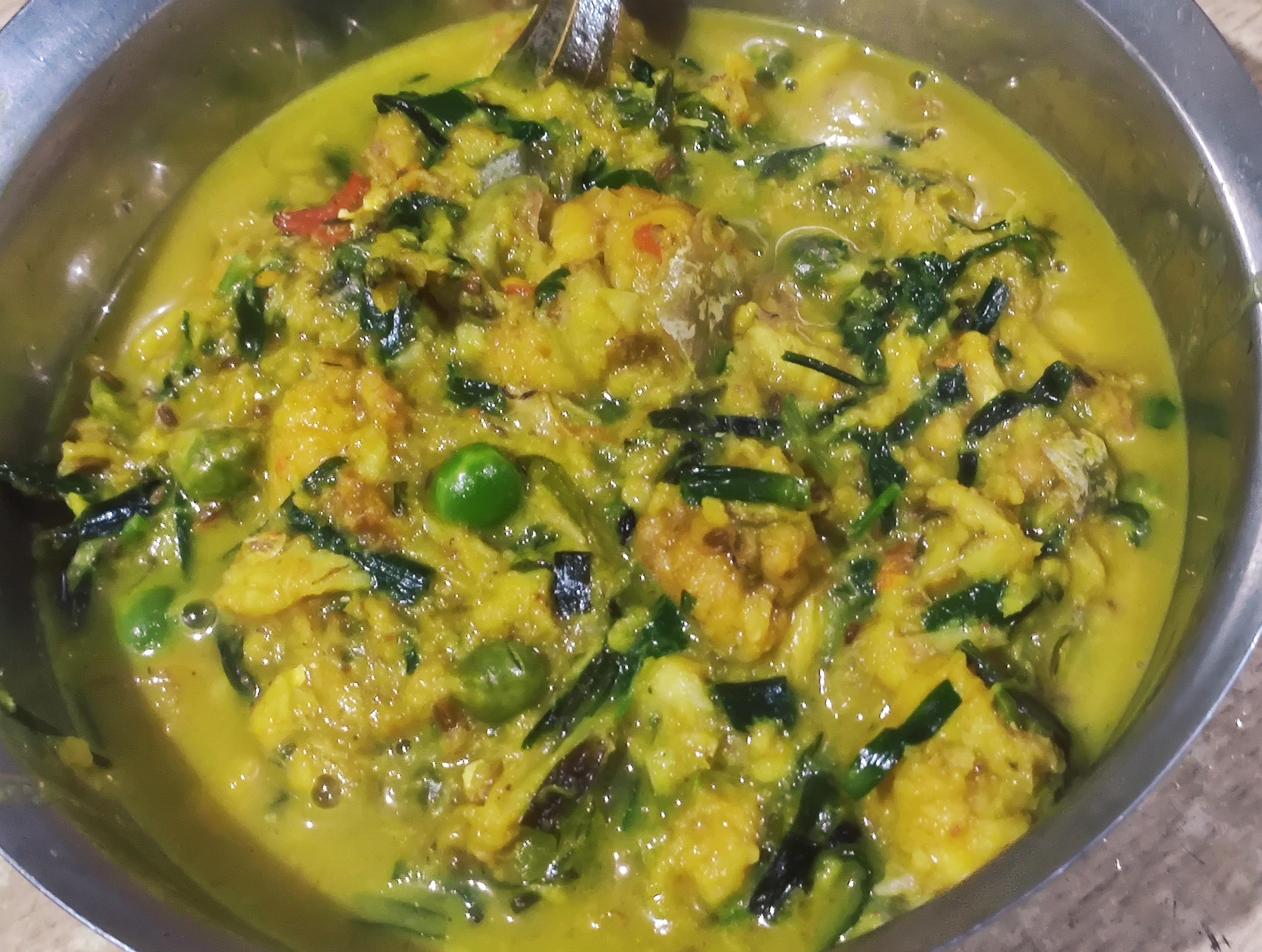
While Sareng has a sacred role in rituals, it also shines in everyday cuisine. Sareng Thongba, a rich curry made with Sareng, is regarded as one of the most special and popular dishes in Manipur.
Traditionally, the preparation of Sareng Thongba was rooted in simplicity and patience. The dish relied on indigenous herbs, fresh river produce, and slow cooking techniques that allowed the natural flavors of the fish to shine. Ingredients were minimal—often just a handful of local spices and herbs carefully chosen to balance the richness of Sareng. This approach reflected the cultural philosophy of Manipuri cuisine: food should be pure, unadorned, and deeply connected to the land.
In contrast, the present-day technique has shifted toward convenience and variety. Modern kitchens often incorporate a wider range of commercially available spices and condiments, blending traditional flavors with influences from outside Manipur. Turmeric, chili powder, garam masala, and even packaged curry bases are now common additions, making the dish more accessible but also more complex in taste. While the essence of Sareng Thongba remains intact, the cooking style has evolved into a fusion of heritage and modernity—a dish that honors its roots while embracing the flavors of today’s pantry.
Sareng Thongba is no longer confined to temples or rituals—it is a common dish at grand feasts, weddings, and parties, where it delights guests with its deep, earthy taste. Its versatility makes it a bridge between the sacred and the social, a dish that can honor gods and also bring joy to family gatherings.
Sareng’s cultural significance is best understood through the festivals and rituals where it plays a central role:
These ceremonies highlight how Sareng is not just food—it is a cultural vessel carrying prayers, blessings, and continuity of tradition.
Despite its cultural importance, Sareng has become harder to find in Manipur. The construction of the Ithai Dam disrupted natural river ecosystems, leading to a decline in local Sareng populations. Today, most Sareng available in markets comes imported in ice boxes, losing some of the freshness that once defined the dish.
However, hope remains—some local farmers have begun farming Sareng, ensuring that this iconic fish does not disappear from Manipuri kitchens. While availability may be limited, the demand for Sareng continues, driven by its cultural weight and irreplaceable taste.
Sareng is more than a fish—it is a living heritage of Manipur, a thread that ties together myth, ritual, and cuisine. From sacred offerings in Sairen Chanba to joyful servings of Sareng Thongba at weddings and feasts, it embodies the spirit of Manipuri culture. Even in modern times, despite challenges of availability, Sareng continues to inspire devotion and delight, proving that food is not just sustenance—it is memory, identity, and tradition.
This modern recipe uses minimal ingredients, making it accessible while still honoring the traditional taste.
|
2 pieces -
Onion
Roughly chopped |
||
|
As per your choice -
Chilli
|
||
|
1 bundle -
Coriander leaves
Raw is preferred |
||
|
As required -
Mustard Oil
|
||
|
1 teaspoon -
Coriander powder
|
||
|
1/2 teaspoon -
Asafoetida (Hing)
|
||
|
3 to 5 leaves -
Bay leaves (Tejpata)
Dry |
||
|
1 bundle with roots -
Hooker chives (Maroi napakpi)
|
||
|
1 bundle -
Chinese chives (Maroi nakuppi)
|
||
|
As required -
Salt
|
||
|
1 teaspoon -
Turmeric powder
|
||
|
500 g -
Sareng (helicopter catfish or wallago catfish)
|
||
|
2 pieces -
Ginger
Roughly chopped |
||
|
1 cup -
Peas
|
||
|
2 pieces -
Tomato
|
||
|
2 nail size pieces -
Sweet Lemon peeled (Haribob)
Dry |
Did you try this recipe? Then please do snap a picture and share it in Instagram with #lukthel.
If you liked this recipe, please do say few words in the below comment box and rate it.