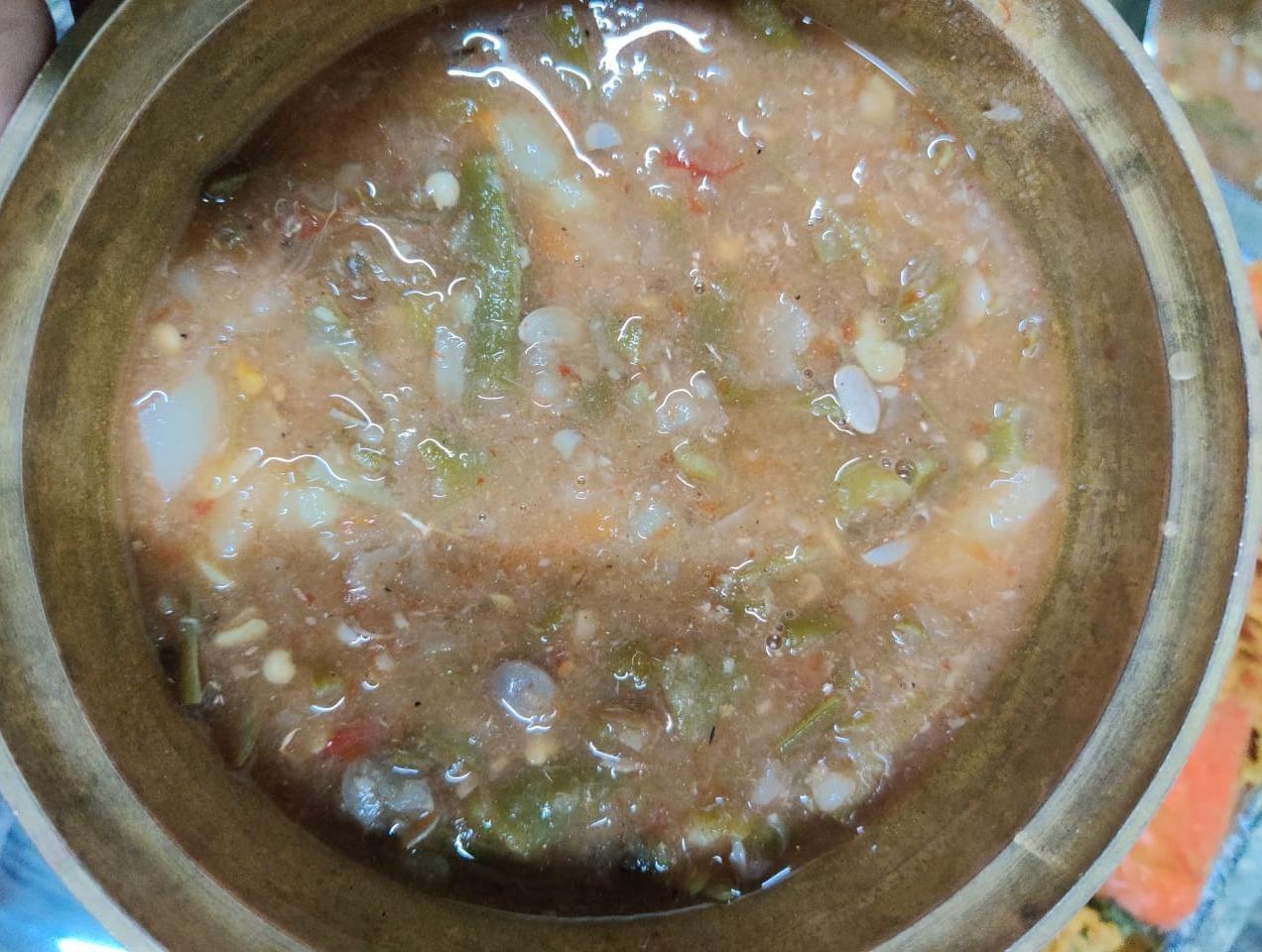
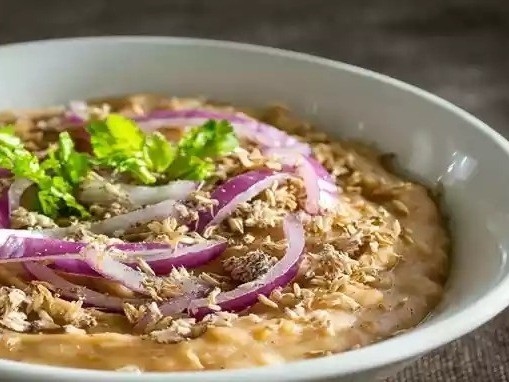
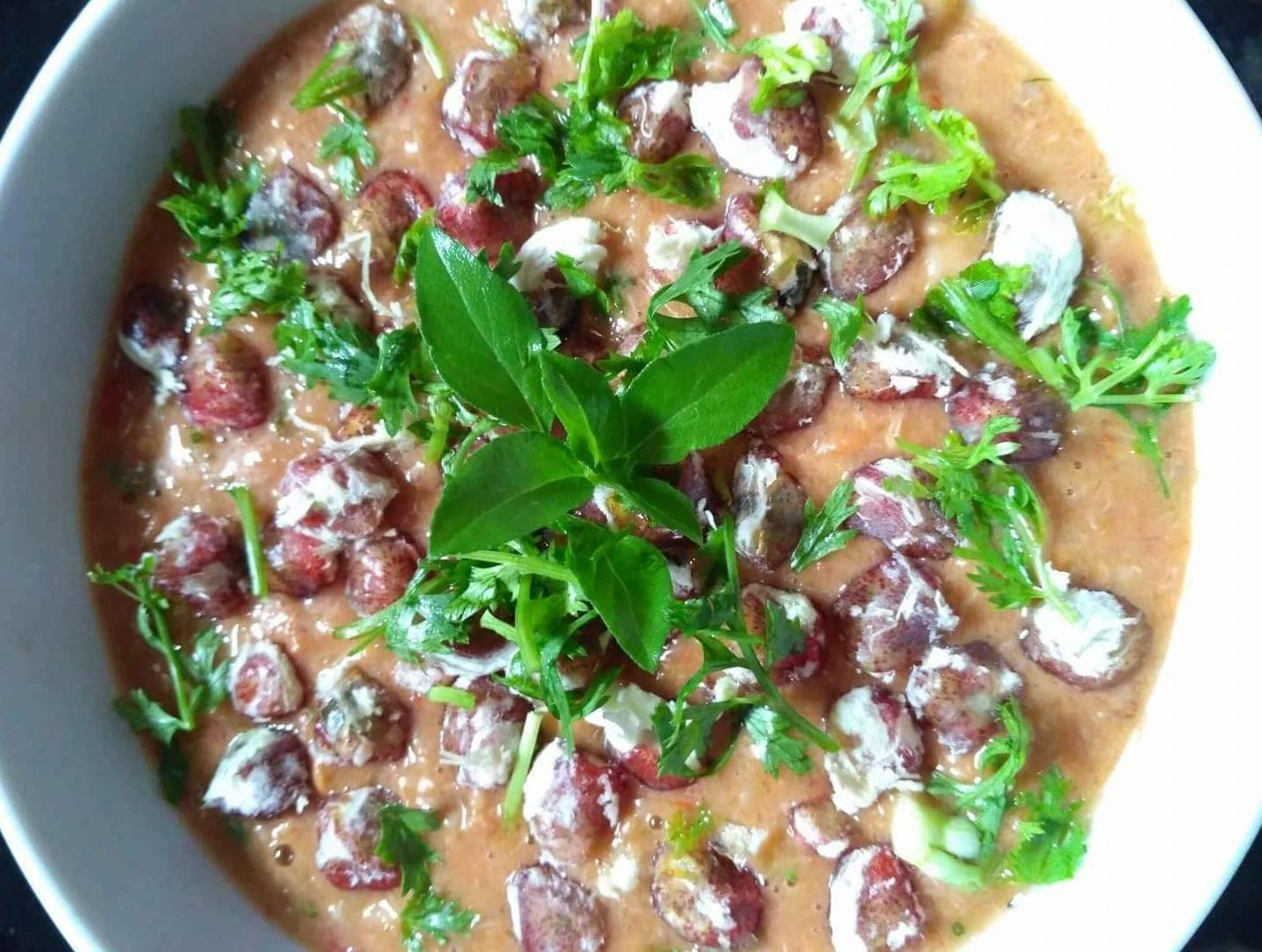
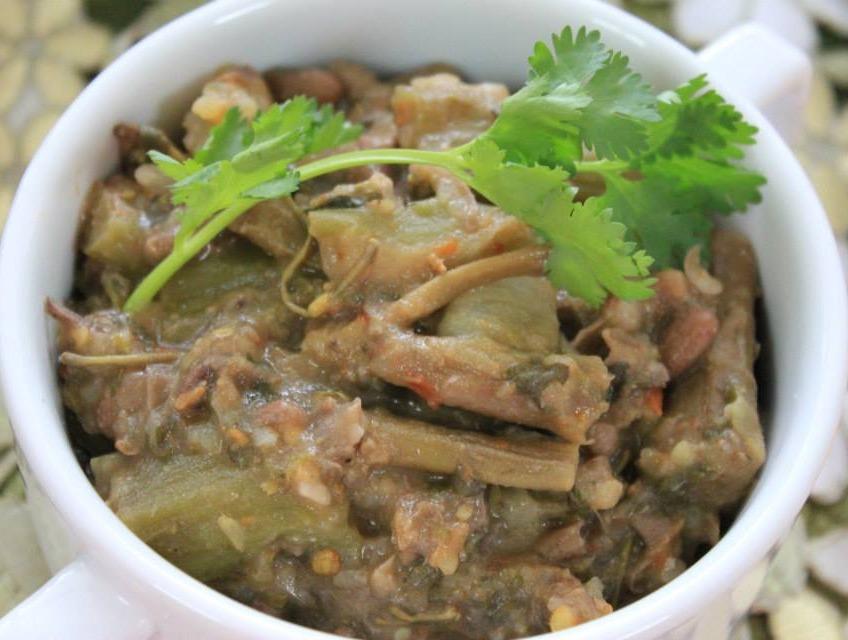
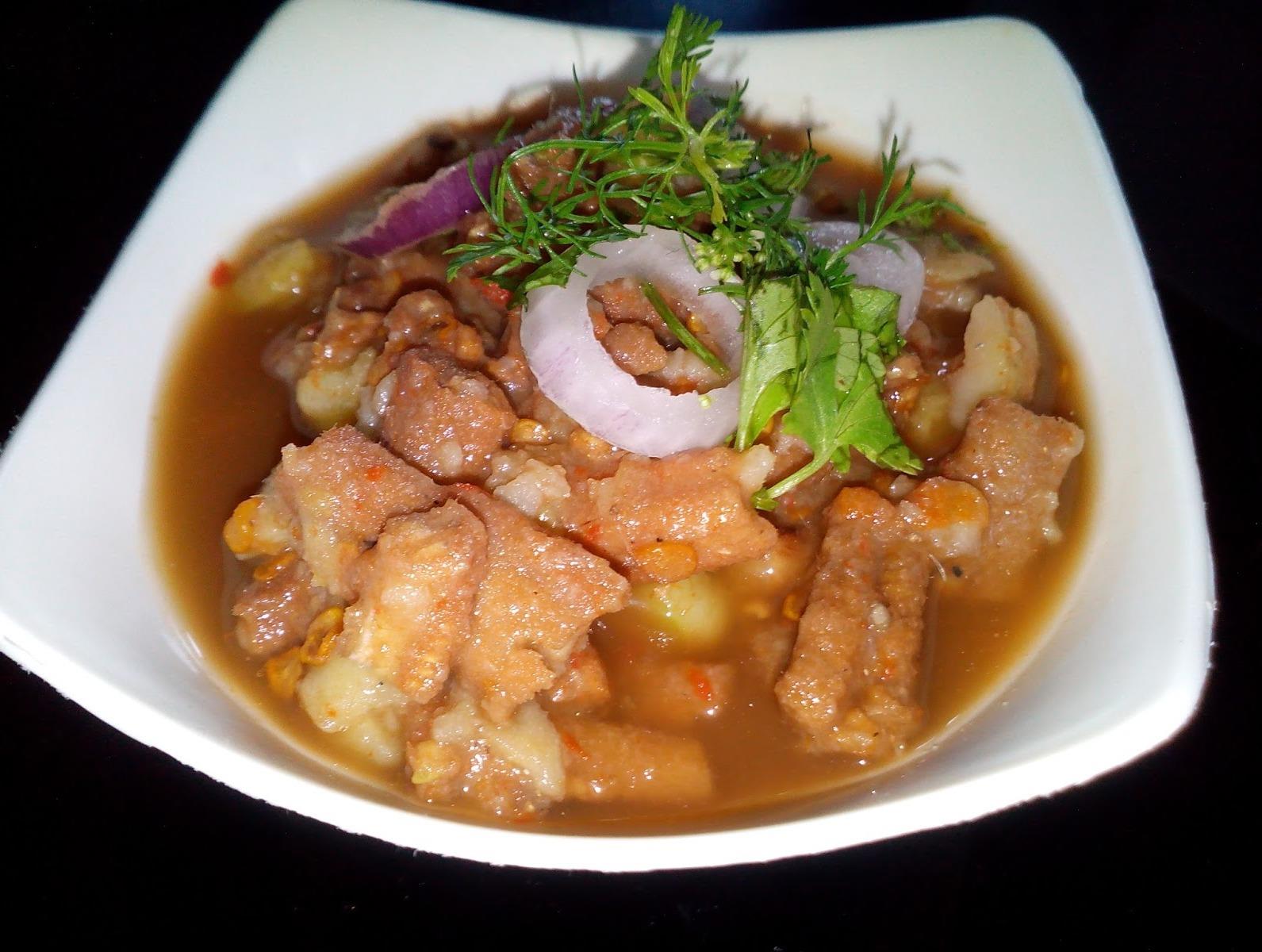
Eronba, sometimes spelled Eromba, is one of the simplest yet most beloved dishes of the Meitei people of Manipur. At its core, Eronba is a rustic preparation of boiled vegetables crushed together with fermented fish and plenty of chilies. It is fiery, earthy, and deeply satisfying—proof that great flavor does not always require elaborate cooking or heavy spices. In fact, one of the defining features of Eronba is that it contains no masala blends at all. The taste comes purely from the freshness of the vegetables, the pungency of fermented fish (Ngari), and the heat of chilies.
For generations, Eronba has been a staple in Manipuri households. Its appeal lies in its simplicity and adaptability. Families prepare it with whatever seasonal vegetables are available—potatoes, beans, taro, water chestnut, or even tender bamboo shoots. This flexibility means that Eronba is never exactly the same from one kitchen to another, or even from one season to the next. It is a dish that reflects the rhythm of the land and the ingenuity of the people.
Among the Meiteis, Eronba is considered a comfort food, but its popularity has spread far beyond. Neighboring communities across the hills and valleys of North-East India have embraced it, making Eronba a shared culinary heritage. Its straightforward preparation and bold taste make it easy to integrate into different food cultures, and today it is enjoyed in diverse forms across the region.
Part of its charm is that Eronba is communal by nature. It is often served at family dinners, community feasts, and gatherings where food is meant to be shared. The dish carries with it a sense of belonging—when a bowl of Eronba is placed on the table, it signals warmth, togetherness, and tradition.
If there is one ingredient that defines Eronba, it is the chili. Manipuri cuisine is known for its love of heat, and Eronba is no exception. Whether fresh green chilies or dried red ones, they are used generously, giving the dish its signature kick. The chilies are boiled or roasted, then crushed into the vegetable mash, releasing a smoky, sharp flavor that balances beautifully with the richness of fermented fish.
Traditionally, Eronba is made with Ngari, the famous fermented fish of Manipur. Ngari adds depth, umami, and a distinctive aroma that locals cherish. But Eronba is also versatile enough to be made without fish, making it suitable for vegetarians or for days when fish is not available.
Because Eronba can be prepared with almost any compatible vegetable, it changes with the seasons. In summer, lighter greens and beans may dominate; in winter, root vegetables like taro or potatoes take center stage. In some regions, bamboo shoots or water chestnuts are added, giving the dish a unique texture and flavor. This adaptability makes Eronba not just a recipe, but a living tradition that evolves with nature.
What makes Eronba so enduring is its ability to be both humble and extraordinary. It requires little—just vegetables, chilies, and fish—but delivers a taste that is bold, comforting, and unforgettable. It is a dish that connects generations, reminding Manipuris of their roots while continuing to delight new palates.
Whether served at a family dinner, shared at a community feast, or adapted into a vegetarian version, Eronba remains a symbol of Manipuri identity and resilience. It is proof that food does not need to be complicated to be meaningful. Sometimes, the simplest dishes carry the deepest stories.
|
5-6 medium size -
Potato
|
||
|
2 roots -
Ginger lily (Loklei)
Slice it into small pieces |
||
|
2 roots -
Galangal (Pulei)
Slice it into small pieces |
||
|
7-8 -
Ngari (Fermented fish)
|
||
|
1 handful -
CIlantro leaves
|
||
|
1 small size -
Onion
Slice it into pieces |
||
|
5-6 -
Spring Onion
|
||
|
5-6 shredded -
Sun dried fish
|
||
|
5-6 -
Red dry Chillies
|
||
|
2 handful -
Cabbage / Cauliflower leaves
Chop about 1 inch length |
||
|
as required -
Salt
|
||
|
1 cup -
Broad bean
|
||
|
1 cup -
Indo-Myanmar Taro
Cut into pieces of length abont 1 inch |
Did you try this recipe? Then please do snap a picture and share it in Instagram with #lukthel.
If you liked this recipe, please do say few words in the below comment box and rate it.