
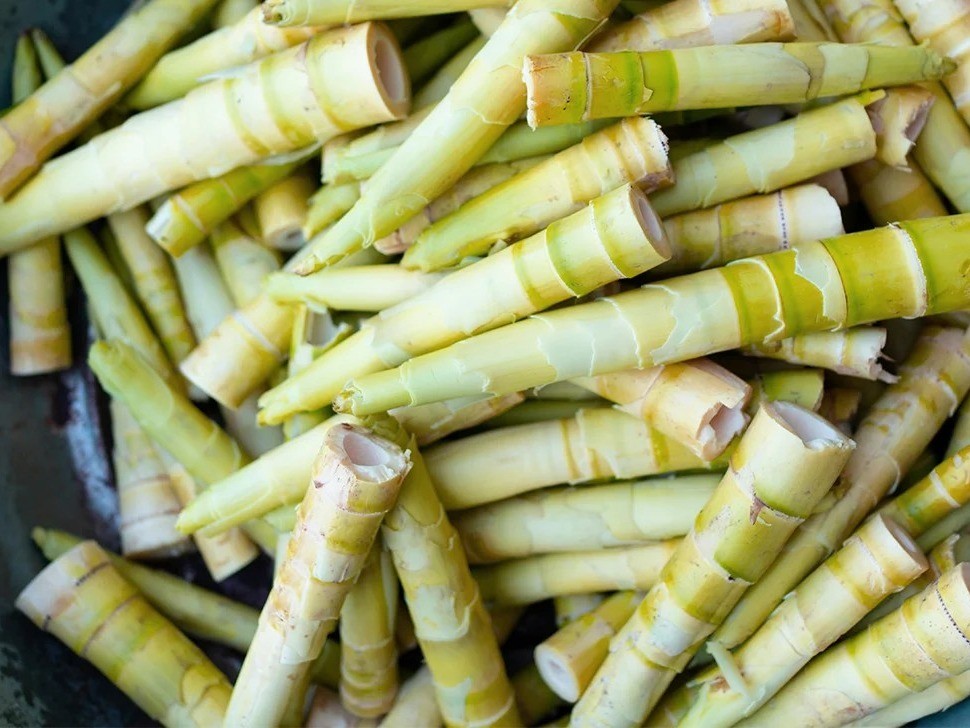
 Lukthel /
Cultural and Traditional Significance
Manipur, often called the “Jewel of India”, lies in the Indo-Myanmar biodiversity hotspot and is home to 53 bamboo species across 9 genera. Of these, at least 15 species are consumed as food, making bamboo one of the most important dietary resources in the state. Docslib.org.
In Manipur, bamboo is revered not only for its utility but also for its symbolism of resilience and renewal. Every household, from valley to hill, celebrates bamboo shoots as a seasonal delicacy.
Bamboo shoots are harvested during the monsoon (June–September) and transformed into dishes that reflect the community’s harmony with nature. Fermentation—a hallmark of Manipuri cuisine—extends shelf life, enhances flavor, and introduces beneficial microbes. The process—handed down through generations—reflects the community’s harmony with nature and its mastery of sustainable food practices. researchgate.net.
The Five Faces of Edible Bamboo
| Feature | Description | Preparation | Time Frame | Culinary Uses |
| Usoi | Fresh, raw, tender shoots harvested in the monsoon. | Boiled or sliced after removing culm sheaths. | Not Required | Usoi Uti, Usoi Usoi Kangsu with seasonal herbs. |
| Laiwa | Variety from Chimonobambusa callosa. | Stripped, chopped, sometimes roasted. | Not Required | Stir-fried in Laiwa Kanghou, mashed with Ngari in Eromba, boiled to make Kangsu. |
| Soibum | Finely sliced fermented shoots, longitudinal strips. | Packed in earthen pots, fermented for months for a slow bleed. | Long-term fermentation, typically aging from 3 months up to a full year. | Cooked with fish/meat; mashed with chilies and Ngari. |
| Soidon | Cut transversely into very small, soft rings or diced tips, fermented with acidifiers. | Submerged fermentation using Heibung (Garcinia pedunculata). | Short-term rapid fermentation, taking only about 3 to 7 days to complete. | Adds tangy depth to stews and curries, mashed with Ngari in Eromba. |
| Soijin | Prepared similarly to Soibum using succulent bamboo shoots, chopped into thick cubes, blocks, or chunky segments. | Solid, tightly packed inside non-porous containers or layered pots. | Short to mid-term fermentation; it represents a younger phase of aging. | Heavy, slow-simmered stews and curries. Soijin Thongba cooked alongside heavy fish or pork, Soijin Eronba. |
Nutritional and Ecological Richness
- Low in fat, high in fiber: Bamboo shoots are excellent for digestive health.
- Rich in vitamins & minerals: Potassium, vitamin B6, and antioxidants.
- Fermentation benefits: Driven by Lactobacillus plantarum, L. brevis, and Pediococcus acidilactici, improving gut microbiota and immunity.
- Ecological role: Bamboo cultivation prevents soil erosion, supports biodiversity, and provides sustainable livelihoods.
Culinary Harmony: Bamboo in Manipuri Dishes
From Laiwa Kanghou’s aromatic stir-fry to Soibum Eromba’s fiery mash, bamboo connects the earthy flavors of the hills with the vibrant spices of the valley. It pairs beautifully with fermented fish (Ngari), soybeans (Hawaijar), and herbs like Maroi Nakuppi, creating a balance of sour, spicy, and umami notes unique to Manipuri gastronomy.
- Usoi Uti: Traditionally cooked with peas (Mangan)
- Usoi Kangsu: Boiled and made into salad with seasonal herbs
- Laiwa Kanghou: Stir-fried bamboo with potatoes, herbs (Maroi Nakuppi), and chilies.
- Soibum Eromba: Fiery mash of fermented shoots, chilies, and Ngari.
- Soidon Kangsoi: Sour vegetable stew enriched with fermented tips.
- Soijin-based curries: Eronba, Soijin Thongba with a tangy, probiotic kick.
These dishes showcase the balance of sour, spicy, and umami flavors unique to Manipuri gastronomy.
How to store Bamboo Shoots?
When you buy bamboo shoots, you should store them in an airtight container since they have a strong smell; some people might feel unfamiliar. It helps them last longer than usual and protects them from other bacteria or drying out. You can dry them first, then store them in a bag. Traditionally, usually kept in a bamboo pipe and closed tightly.
Market and Commercial Status
- Fresh shoots: Sold during monsoon in local markets like Ima Keithel, Asia’s largest women-run market.
- Fermented products: Available year-round, forming a staple in Manipuri households.
- Commercialization: While fresh and fermented shoots dominate, pickled and dried bamboo products are still in nascent stages of market development
Bamboo Beyond Manipur
Manipuri bamboo traditions resonate across Northeast India:
- Assam: Khorisa or Kardi / Amil (fermented shoots).
- Sikkim: Mesu.
- Arunachal Pradesh: Ekung, Hirring & Eup.
- Meghalaya: Lung-Siej.
These variations highlight bamboo’s role as a pan-regional food heritage.
In Manipur, bamboo is not just eaten—it is celebrated. Each shoot tells a story of resilience, biodiversity, and culinary artistry. To savor bamboo here is to taste the rhythm of life itself.
If there is any mistake here or anything missing, you are welcome to suggest anything in the comments.


Leave a Comment