
 Lukthel /
Introduction
Among the hills of Nagaland, one ingredient defines both flavor and identity: Akhuni (also spelled Axone). This fermented soybean product, cherished by the Sümi Naga tribe, is more than food—it is heritage, memory, and community. Known for its pungent aroma and deep umami taste, Akhuni has traveled from bamboo huts to global food conversations, standing alongside Japan’s Natto, Korea’s Doenjang, and China’s Doubanjiang.
Origins and Cultural Significance
Folklore: A young girl once wrapped boiled soybeans in leaves, left them aside, and days later discovered their transformation—thus Akhuni was “accidentally” born.
Tribal Identity: For Nagas, Akhuni is not just seasoning; it is a marker of belonging. Cooking it in Delhi apartments has sparked cultural debates, even inspiring the Netflix film Axone.
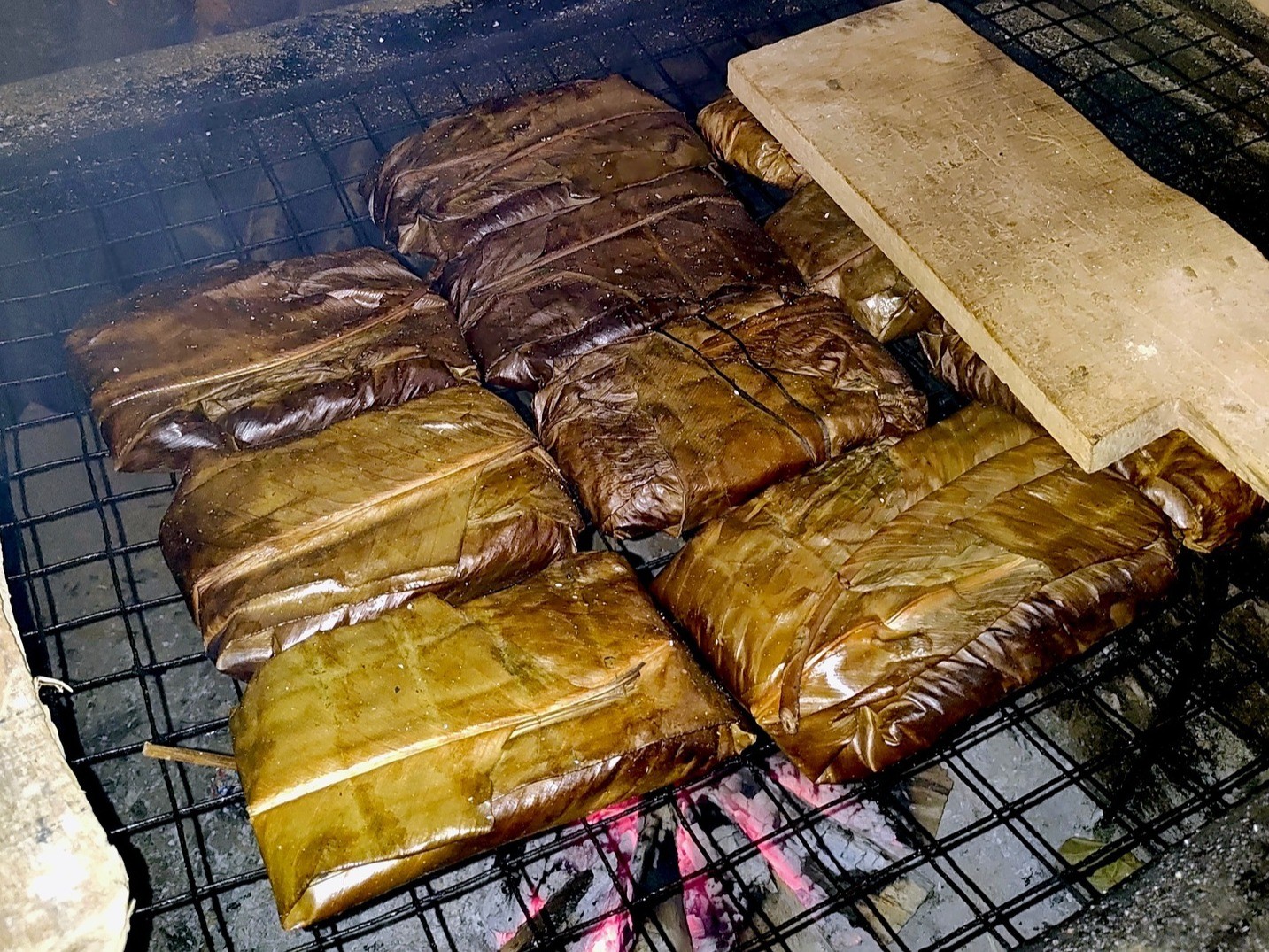
Community Bond: Every household has its own fermentation style—wrapped in banana leaves, smoked over fireplaces, or sun‑dried.
How Akhuni is Made
The Axone fermentation process begins with boiling soybeans, wrapping them in banana leaves, and leaving them near fireplaces or under the sun. Within days, the beans transform into a strong‑smelling paste or powder. This traditional fermented soybean preparation method is unique to Nagaland and passed down through generations.
Variations:
- Paste form – sticky, dark, used in chutneys.
- Powdered form – dried, ground, used as seasoning.
Popular Dishes with Akhuni
- Smoked Pork with Axone – the iconic Naga dish.
- Axone Chutney – soy paste with garlic, ginger, and fiery chillies.
- Vegetable Stews – pumpkin, beans, or greens elevated with Akhuni.
- Sticky Rice with Axone – a festival favorite.
Cross‑Cultural Connections
Fermented soybeans are a global phenomenon:
- Japan – Natto
- Korea – Doenjang
- China – Doubanjiang
- Indonesia – Tempeh
- Northeast India – Kinema (Sikkim), Tungrymbai (Meghalaya), Hawaijar (Manipur), Bekang (Mizoram)
Nutritional & Health Benefits
Akhuni is protein‑rich, packed with probiotics, and loaded with minerals like calcium and iron. This makes Axone a healthy fermented food that supports digestion and boosts immunity.
- Protein‑rich: 18–20g per 100g serving.
- Probiotics: Supports gut health and digestion.
- Minerals: Calcium, iron, magnesium, potassium.
- Antioxidants: Fermentation enhances bioavailability.
Considerations:
- High sodium if salted.
- Avoid if allergic to soy.
Akhuni in Modern Kitchens
Today, Akhuni is available in vacuum‑sealed packs and online marketplaces. From home cooks to restaurants, fermented soybean chutney and Axone curry recipes are gaining popularity, bridging tradition with modern tastes.
How it is different from Manipur Hawaijar?
Akhuni (Axone) of Nagaland and Hawaijar of Manipur are both fermented soybean delicacies, but they differ in fermentation style, texture, and culinary use. Here’s a clear comparison:
Fermentation Process
Akhuni / Axone (Nagaland): Soybeans are boiled, wrapped in banana leaves, and fermented near fireplaces or under the sun for 3–7 days. The beans darken, soften, and develop a pungent smoky aroma. It is often mashed into paste or dried into powder.
Hawaijar (Manipur): Soybeans are slightly boiled, then spread on Asi Heibong leaves (Ficus hispida) and layered in ventilated bamboo baskets. Fermentation occurs naturally in storage rooms (Fou Kei/Kot), producing a sticky, mucilaginous texture with a nutty, alkaline flavor.
Culinary Use
Akhuni: Used in smoked pork curries, chutneys, and stews. Its strong umami taste pairs well with meat and fiery chillies.
Hawaijar: Commonly added to vegetable curries, stews, and soups. It enhances broth-like dishes and is often used sparingly due to its sticky consistency.
Flavor & Aroma
Akhuni: Strong, pungent, smoky, and deeply savory.
Hawaijar: Nutty, slightly pungent, sticky, and alkaline.
Cultural Identity
Akhuni is central to Naga cuisine and tribal identity, while Hawaijar is deeply woven into Manipuri food traditions, especially in rural households.: Akhuni is central to Naga cuisine and tribal identity, while Hawaijar is deeply woven into Manipuri food traditions, especially in rural households.
Nutritional & Microbiological Notes
Akhuni: Rich in protein and probiotics, considered safe when prepared traditionally.
Hawaijar: Also protein-rich and probiotic, but studies note potential food safety issues due to Bacillus cereus and other microbes if not hygienically prepared.
Conclusion
Akhuni is more than a pungent paste—it is the culinary heartbeat of Nagaland. For food lovers exploring fermented delicacies in India, Akhuni offers a journey into culture, flavor, and heritage.


Leave a Comment