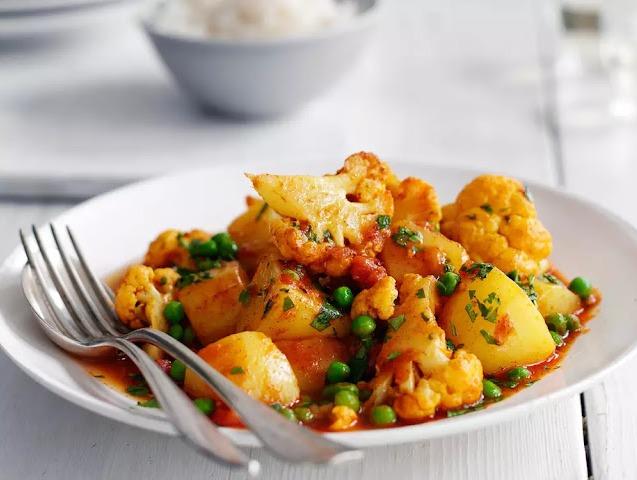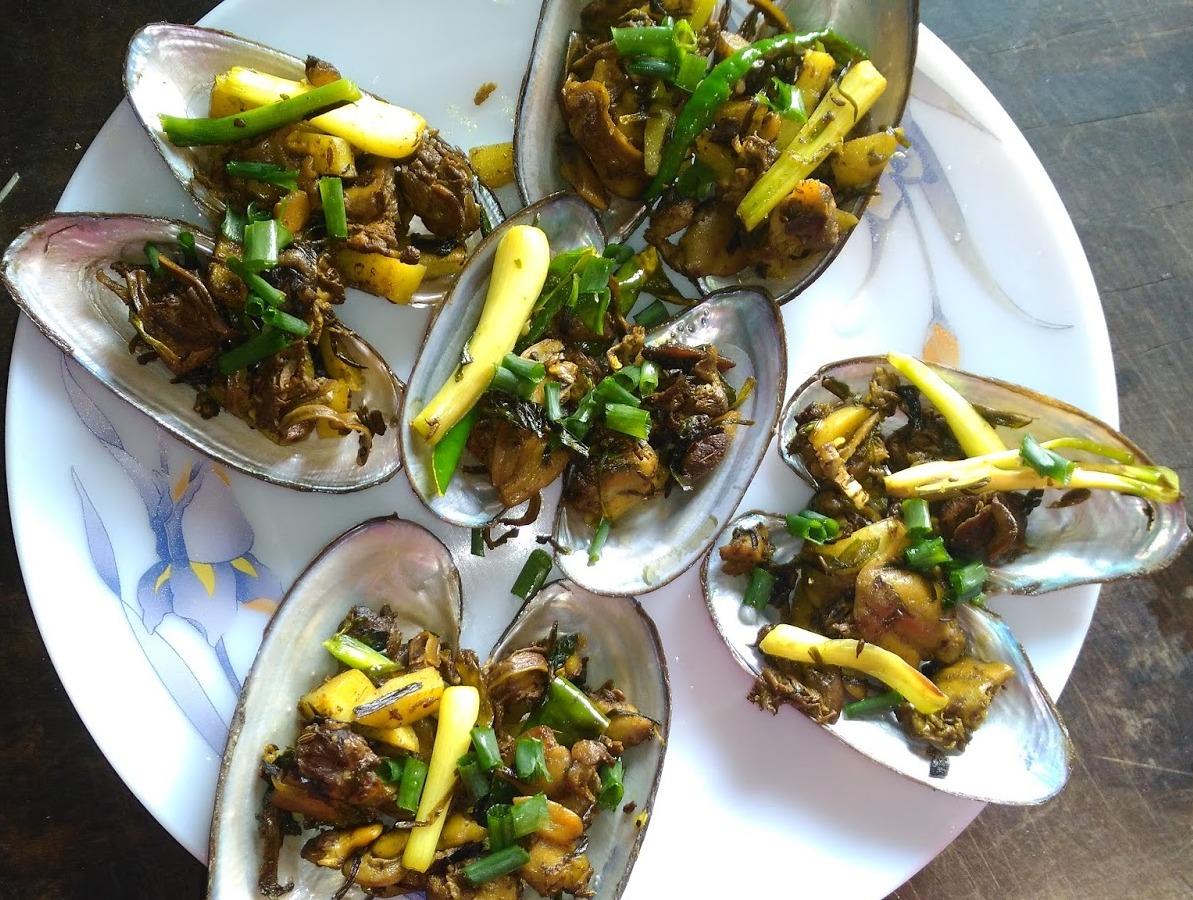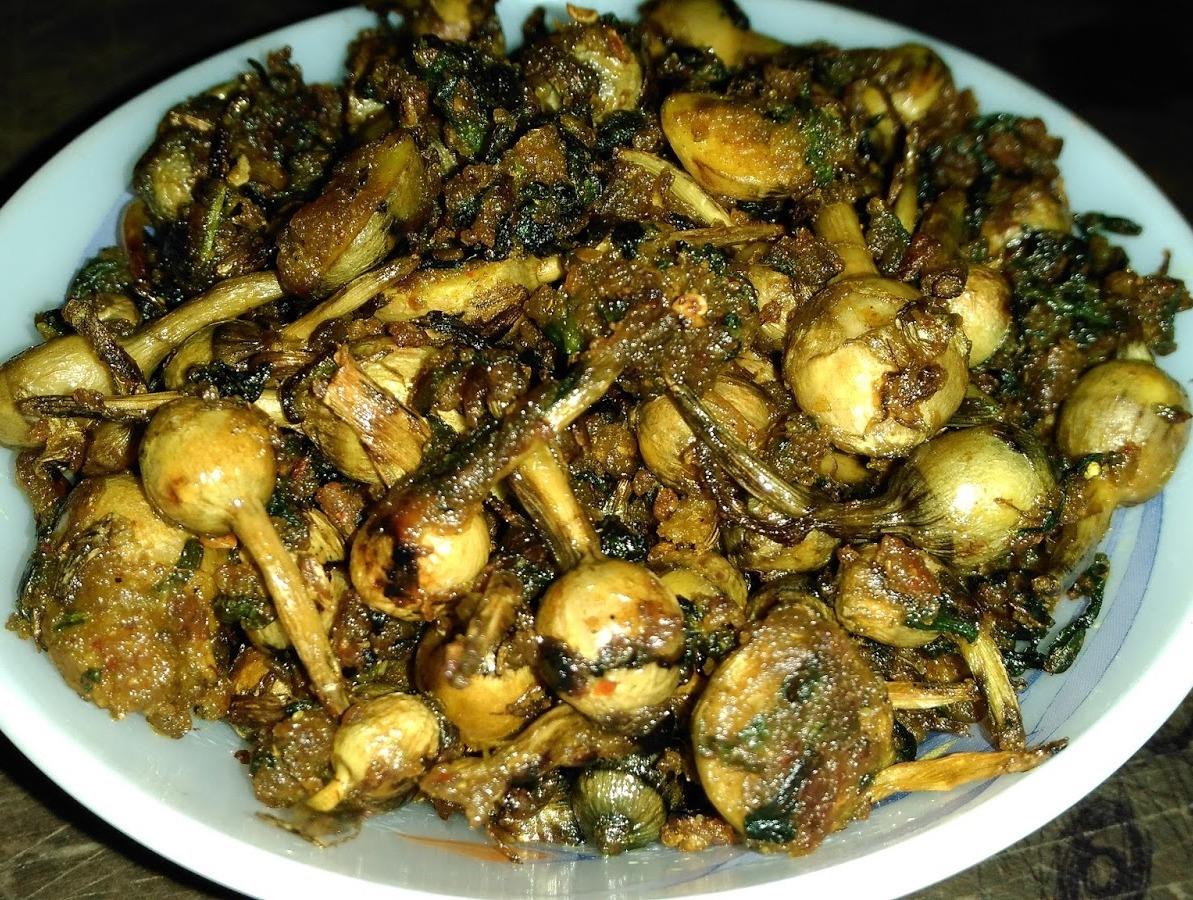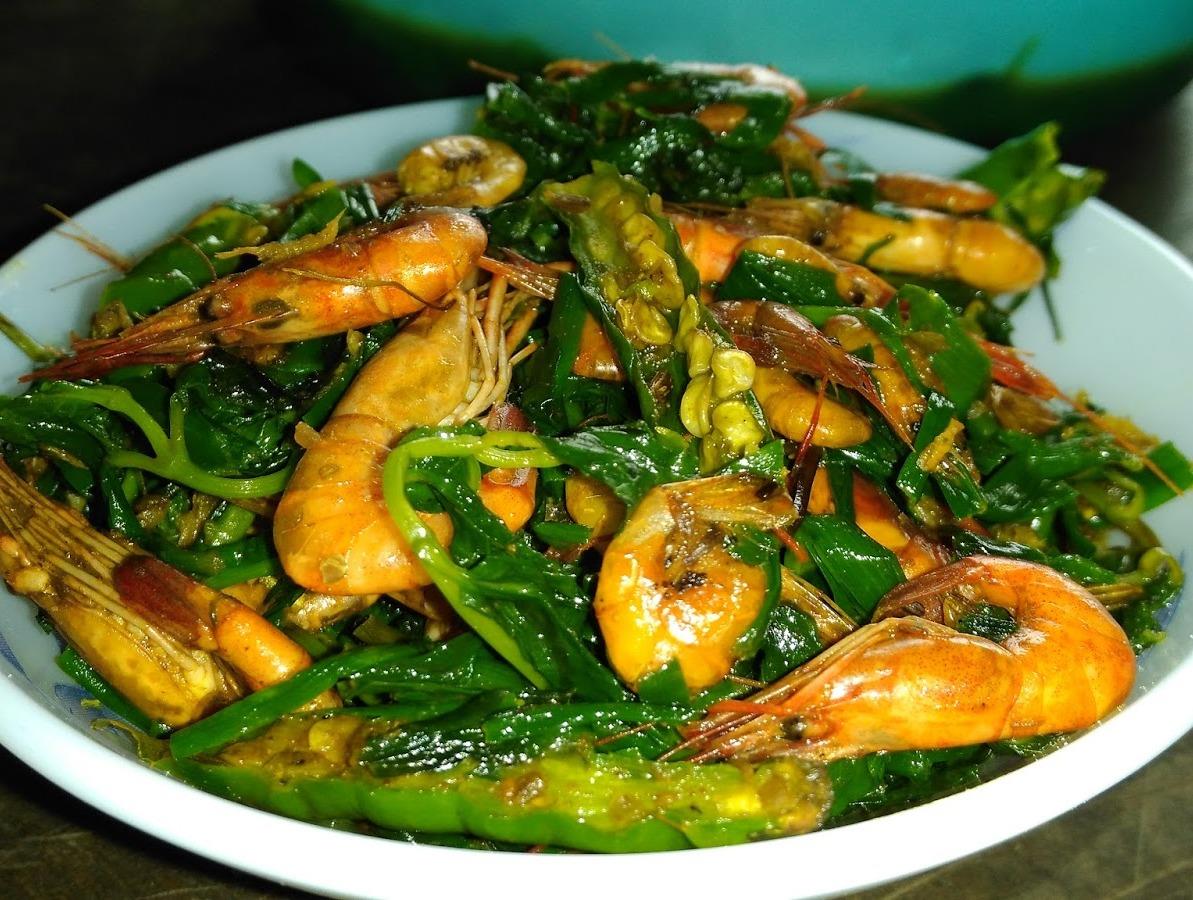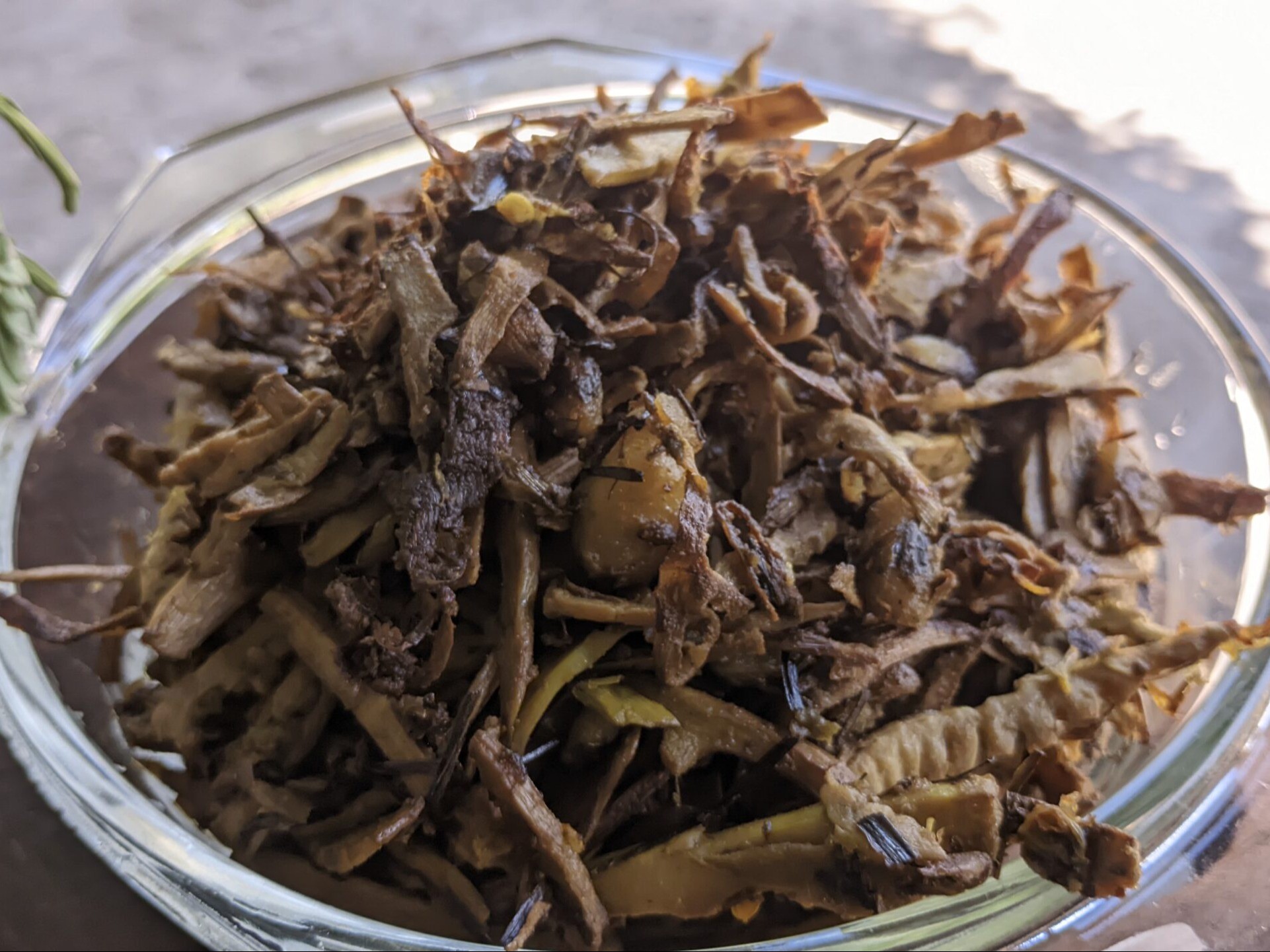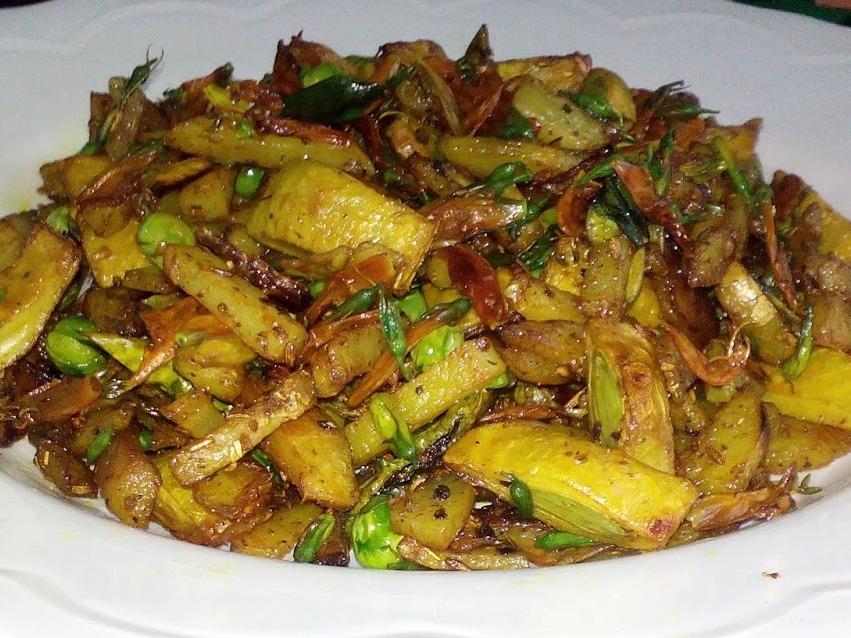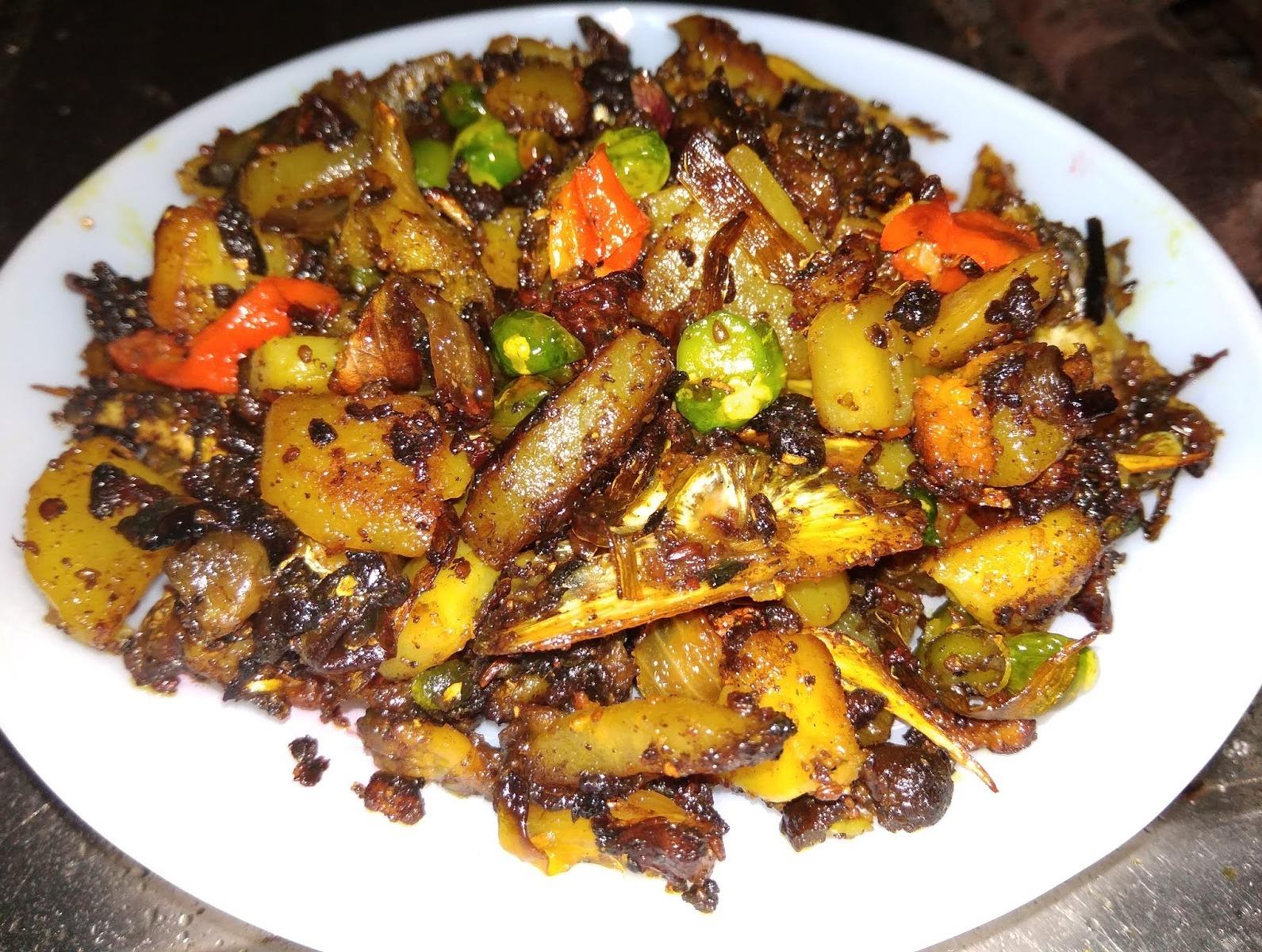
Ngaringkha Kangou, also lovingly called Makok Maru Ngouba (literally referring to the fish head and bones), is a traditional Manipuri curry that showcases the creativity and depth of local cuisine. This dish is not just about taste—it is about resourcefulness, heritage, and the art of using every part of the fish to create something wholesome and flavorful.
At its heart, Ngaringkha Kangou combines the head and intestines of fish with fresh vegetables, herbs, and spices. The result is a curry that is rich, aromatic, and deeply satisfying. The head imparts a natural thickness and depth to the gravy, while the intestines add a distinctive flavor that is cherished by those who grew up with this dish. Together, they create a balance that is both rustic and refined, a true reflection of Manipuri culinary wisdom.
This curry is a testament to the rich culinary heritage of Manipur, where nothing goes to waste and every ingredient is valued. The use of fish head and bones highlights the traditional practice of making the most of available resources, turning what might be discarded elsewhere into a delicacy. It is a dish that speaks of sustainability, respect for food, and the ingenuity of Manipuri cooks.
Makok Maru Ngouba is not just an everyday curry—it is considered a compulsory side dish during mega events and community feasts. Whether it is Yum Sangkaba (new house entry celebration), Ningol Chak Kouba (the festival of daughters), Mapam Chak Kouba (post marriage feast), Luk Katpa (offering to the ancesters), or other food festivals, Ngaringkha Kangou finds its place on the table. Its presence is almost symbolic, representing abundance, tradition, and the joy of sharing food with loved ones.
In these gatherings, the dish is often prepared in large quantities, simmering slowly to allow the flavors of fish, vegetables, and herbs to meld together. Guests look forward to it, not only for its taste but also for the nostalgia and cultural pride it carries.
The flavor of Ngaringkha Kangou is bold yet comforting. Fresh vegetables such as mustard greens, potatoes, or seasonal beans are often added, along with indigenous herbs that give the curry its unique aroma. Unlike lighter dishes, this curry is hearty and filling, making it perfect for festive occasions.
The spices are used thoughtfully—never overwhelming, but enough to enhance the natural taste of the fish and vegetables. The result is a curry that feels both traditional and celebratory, a dish that can stand proudly alongside other Manipuri classics.
Ngaringkha Kangou endures because it embodies the values of Manipuri cuisine: respect for ingredients, creativity in cooking, and the joy of communal eating. It is a dish that transforms humble parts of the fish into something extraordinary, reminding us that food is not just sustenance but also culture, memory, and identity.
Whether enjoyed at a family table or served at a grand feast, Makok Maru Ngouba continues to be a beloved dish, carrying forward the flavors and traditions of Manipur for generations to come.
|
250g -
Fish head, intestine and bones (Makok Maru)
|
||
|
2 medium size, diced -
Potato
|
||
|
1/4 tsp -
Asafetida powder
|
||
|
5 tbsp -
Edible oil
|
||
|
2 leaves, shredded -
Bay leaves
|
||
|
1 handful, chopped -
Chinese chives
|
||
|
1, finely chopped -
Onion
|
||
|
2 tbsp -
Ginger garlic paste
|
||
|
1 tbsp -
Turmeric powder
|
||
|
1 tbsp -
Machal Powder / Maru marang / Coriander powder
You can replace this ingredient with Coriander powder. |
||
|
1 tsp -
Cumin powder
|
||
|
10 pieces, slit lengthwise / chopped -
Green chilli
Raw |
||
|
1/2 cup, scrapped and cut in 1/2 cm length -
Stink bean / tree bean (Yongchak)
Raw |
||
|
To taste -
Salt
|
||
|
1/2 cup -
Peas
Raw |
||
|
1/2 cup -
Cauliflower
Raw |
Did you try this recipe? Then please do snap a picture and share it in Instagram with #lukthel.
If you liked this recipe, please do say few words in the below comment box and rate it.