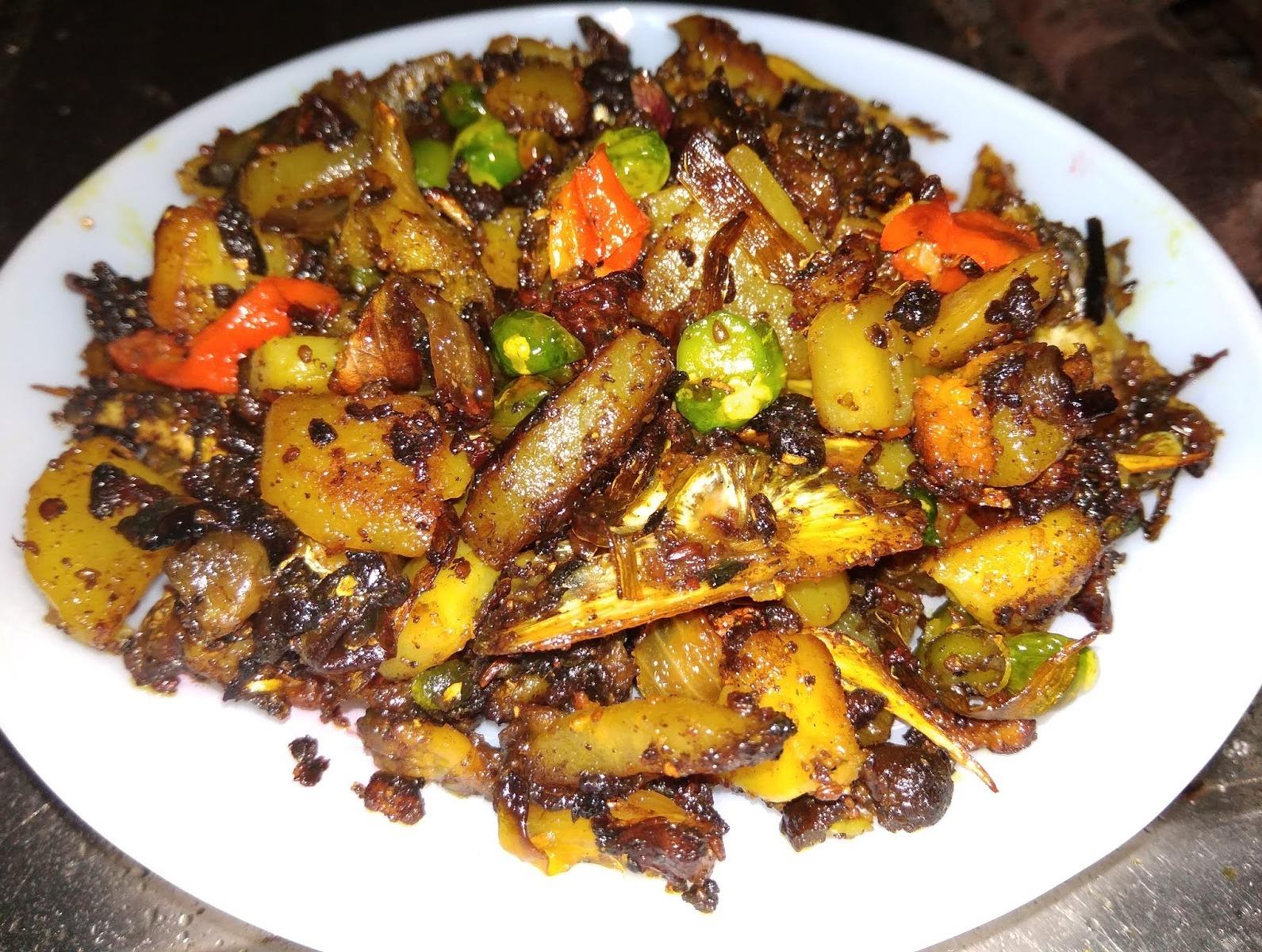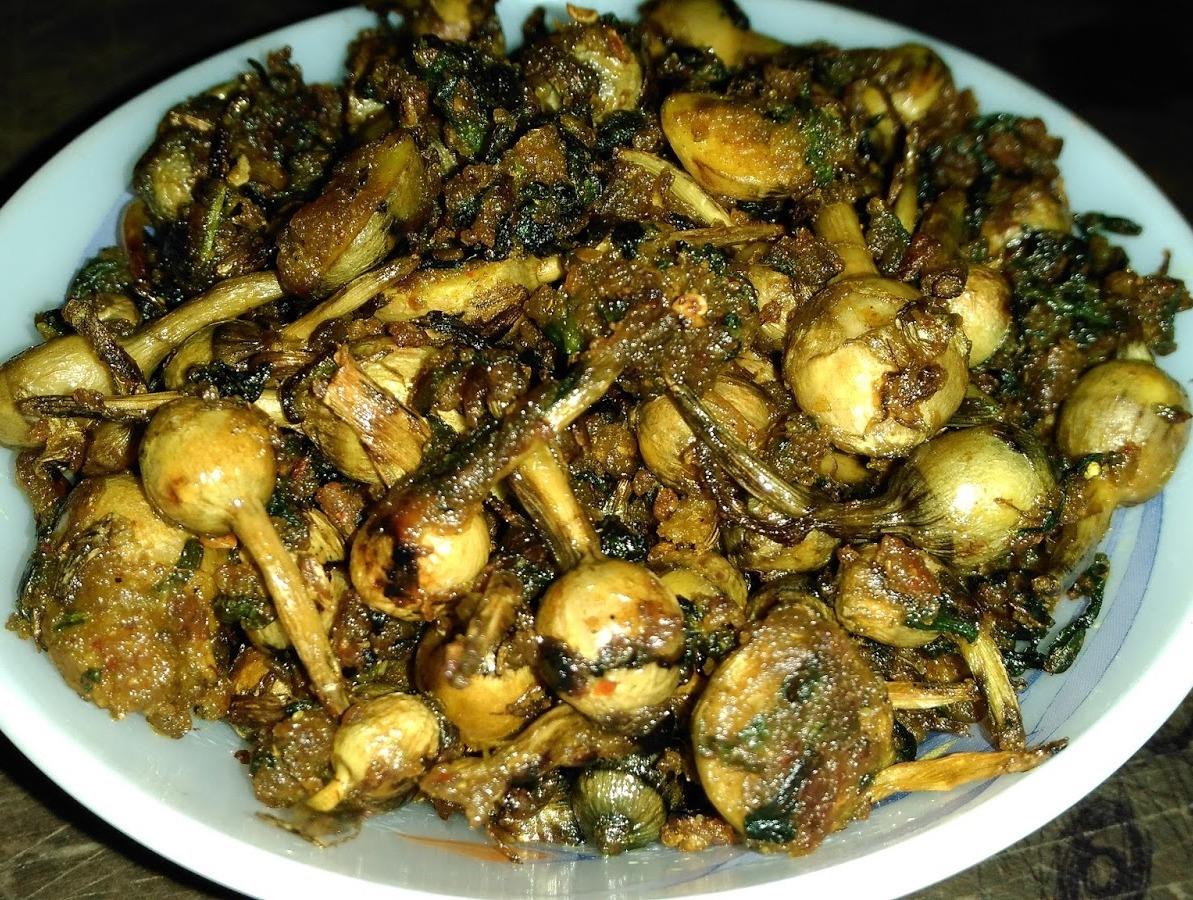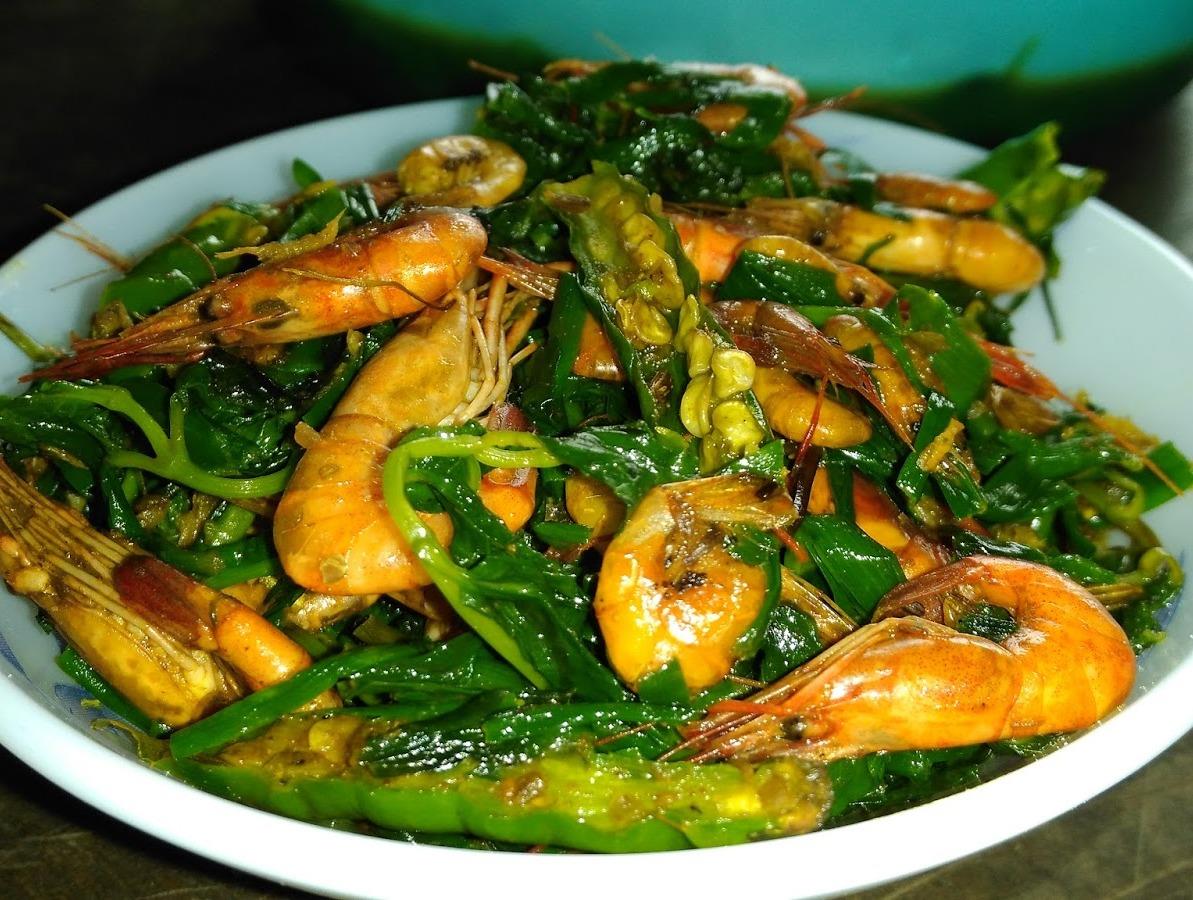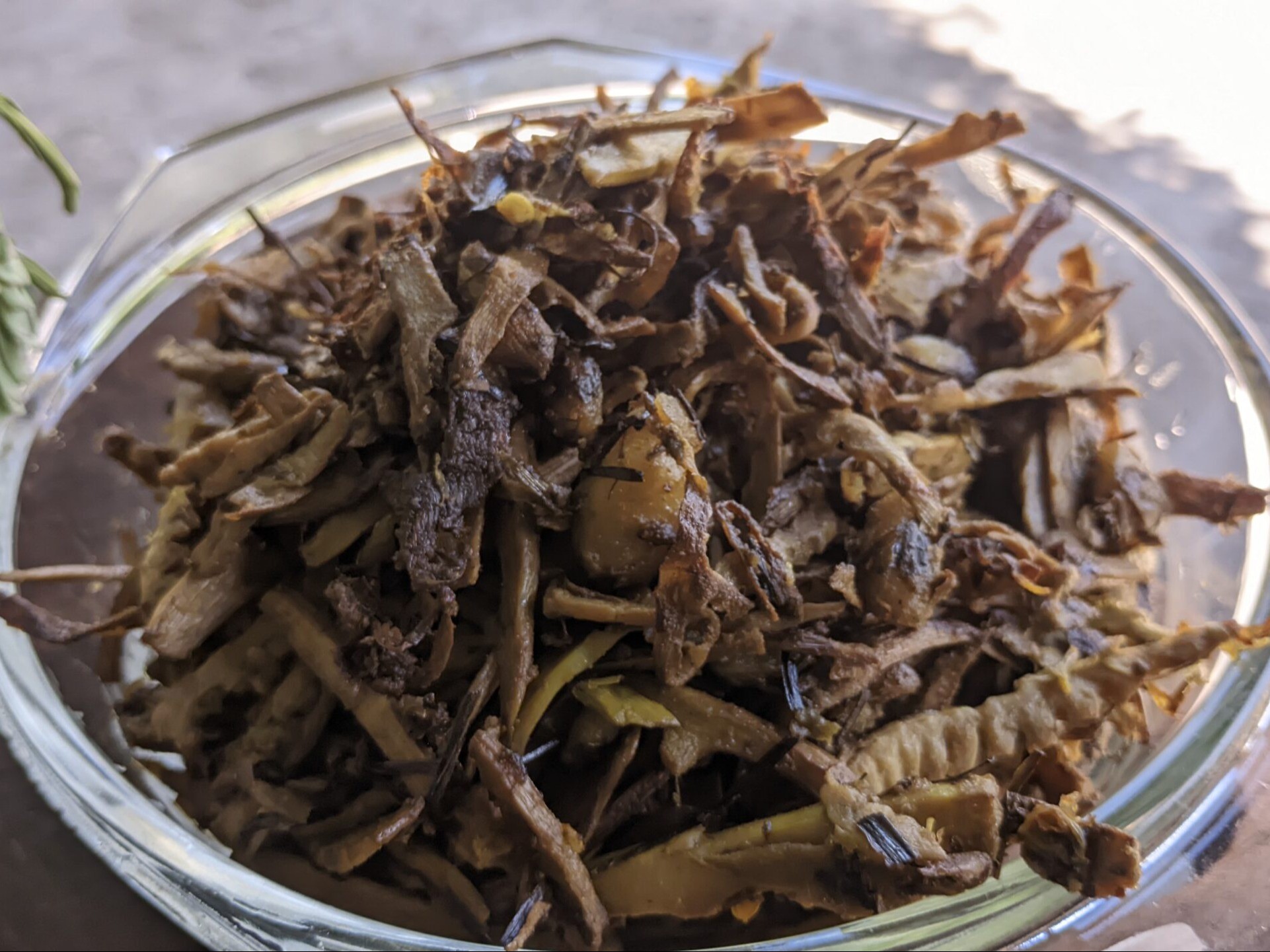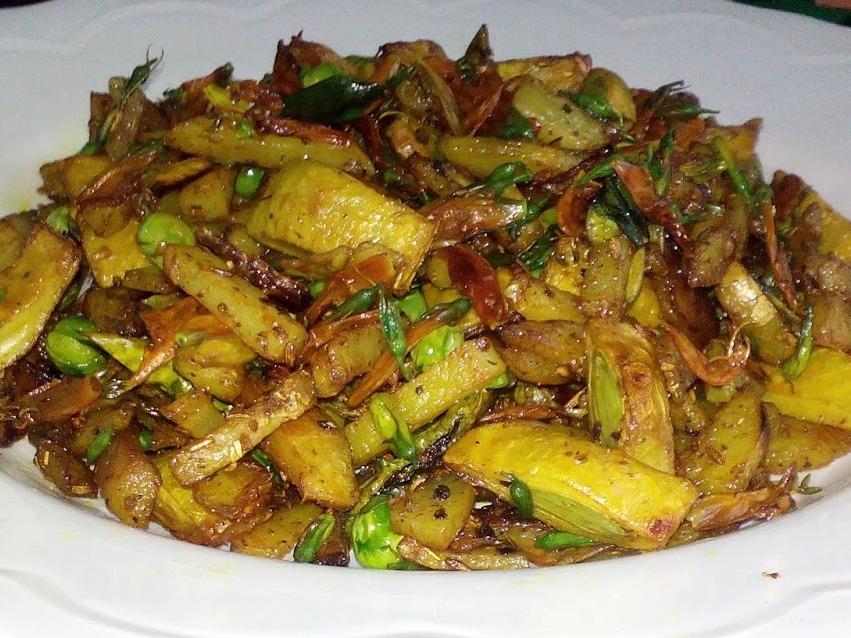
Embrace the healing traditions of Northeast India with Nongmangkha Mapal Yongchak Kanghou, an extraordinary, health-restoring stir-fry from Manipur. This unique dish artfully marries the vibrant blossoms of the Nongmangkha (Malabar Nut) plant with the deeply flavorful, textured crunch of Yongchak (Tree Beans). Celebrated by the Meitei community as both gourmet comfort food and traditional medicine, this seasonal culinary treasure delivers wellness directly to your dinner plate.
Nongmangkha (Phlogacanthus thyrsiformis) is an indigenous evergreen shrub revered since time immemorial for its potent holistic benefits. Modern pharmacological reviews confirm what traditional healers have long known: the plant possesses strong antiviral, anti-inflammatory, and antipyretic (fever-reducing) properties.
In this specific Kanghou preparation, fresh Nongmangkha flowers are quickly tossed over high heat alongside sliced Yongchak. The earthy, pungent undertone of the tree bean acts as the perfect flavor counterpoint to the floral bitterness of the blossoms. Expertly seasoned with local chilis and aromatic herbs, the dish presents a beautiful tapestry of textures—from the tender, velvety petals to the crisp, hearty snap of the beans.
To fully appreciate its therapeutic and culinary brilliance, serve Nongmangkha Mapal Yongchak Kanghou hot as a side dish alongside steaming white rice and a comforting bowl of Kangshoi (vegetable stew) or Eromba (mashed chutney). It provides an unparalleled way to detoxify the body naturally while enjoying the authentic, hyper-local flavors of Manipuri heritage.
More than just a seasonal side dish, Nongmangkha Mapal Yongchak Kanghou is a living testament to the deep ethnobotanical wisdom and holistic lifestyle of the Meetei community. In Manipur, the boundary between food and medicine has always been beautifully blurred. This dish perfectly embodies the traditional philosophy of using local, wild-crafted flora to maintain bodily harmony during seasonal transitions.
The name Nongmangkha originates from Lok mang kha — where Lok means the tendency or cause of coughing, mucus or phlegm, mang means to vanish, and kha refers to its sour taste. Together, the name reflects its traditional role as a natural remedy for coughs. Remarkably, there are seven variations of this plant, each used for different medical purposes as well as in culinary practices. This diversity underscores the richness of Manipuri culture and the advancement of both its culinary traditions and indigenous medical knowledge. The name Lokmangkha is believed to have been given by the goddess Panthoibi during a hideout, according to Meetei mythology; let's keep it for another story.
The arrival of the bright red Nongmangkha blossoms and winter Yongchak creates a highly anticipated culinary moment in Manipuri households. For generations, gathering and preparing these ingredients has served as an annual ritual to naturally fortify the family's immune system against winter ailments. Serving this bitter-sweet stir-fry is an expression of care, reflecting an ancestral heritage that respects the land, honors biodiversity, and uses food as a primary source of healing and cultural connection.
|
1 cup -
Nongmangkha (Phlogacanthus thyrsiformis) flower
|
||
|
2 cups, chopped -
Potato
|
||
|
1/2 cup -
Peas (shelled)
|
||
|
1 pod, scrapped and cut into 1/2 inch pieces -
Yongchaak (tree bean)
|
||
|
4/5, chopped -
Green Chilies
|
||
|
1, sliced -
Onion
|
||
|
1 - 2 shredded -
Bay Leaves
|
||
|
1/2 tsp -
Cumin powder
|
||
|
1/2 tsp -
Coriander powder
|
||
|
8 tbsp -
Mustard Oil
|
||
|
1 tsp -
Turmeric powder
|
Did you try this recipe? Then please do snap a picture and share it in Instagram with #lukthel.
If you liked this recipe, please do say few words in the below comment box and rate it.